
In Paros, wetlands are small and often seasonal (winter, spring), but they are nonetheless important as they serve as resting and feeding grounds for migratory birds and are sources of biodiversity. These areas, like everywhere else in the world, are fragile due to real estate development, pollution, and climate change. In 50 years, more than a third of the world’s wetlands have disappeared.
In this context, Kedryades, a new environmental protection association on the island, was created in November 2025. Last year, the associations “Naïas” and “Kedryades,” along with numerous volunteers and municipal employees, implemented a nature conservation initiative in the Santa Maria pond area, a parking lot for 40 years and a popular tourist destination during the season. The land has been cleared, demarcated to prevent pedestrian access, and lined with stones at the edges to prevent car parking. Appropriate signage has been installed both to prohibit access to the protected area and to promote best practices that contribute to the tranquility of the pond’s inhabitants.
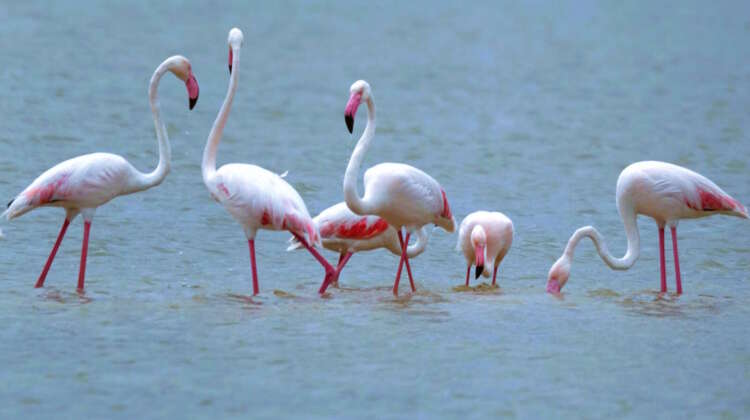
These efforts paid off. Nature, favoured by the winter rains, reacted immediately: on April 25th, 21 greater flamingos (Phoenicopterus roseus) were spotted in the Santa Maria pond. Flamingos hadn’t been seen in Paros since the 1980s!
The Paros Town Hall celebrated this success in an official statement on April 30th: “The Santa Maria aquatic area is coming back to life – an important step for the island’s biodiversity.” The statement specifies that Paros will also be responsible for preserving the island’s other wetlands (to be continued…!), and that the site will be monitored.
Recommendations for those visiting this area, which can be seen on signs and are also shared on social media:
- Drive slowly.
- Do not park near the lake in an unauthorized area.
- No honking.
- No walking dogs, even on a leash; the birds perceive it as an immediate threat.
- No noise.
- No swimming in the pond.
I took the photos on May 1st (there were still 21 flamingos), May 3rd (only 13 flamingos left), and May 5th (13 flamingos). Of course, other species are also taking advantage of this initiative; the photo shows a wood sandpiper (Tigra glaerola).

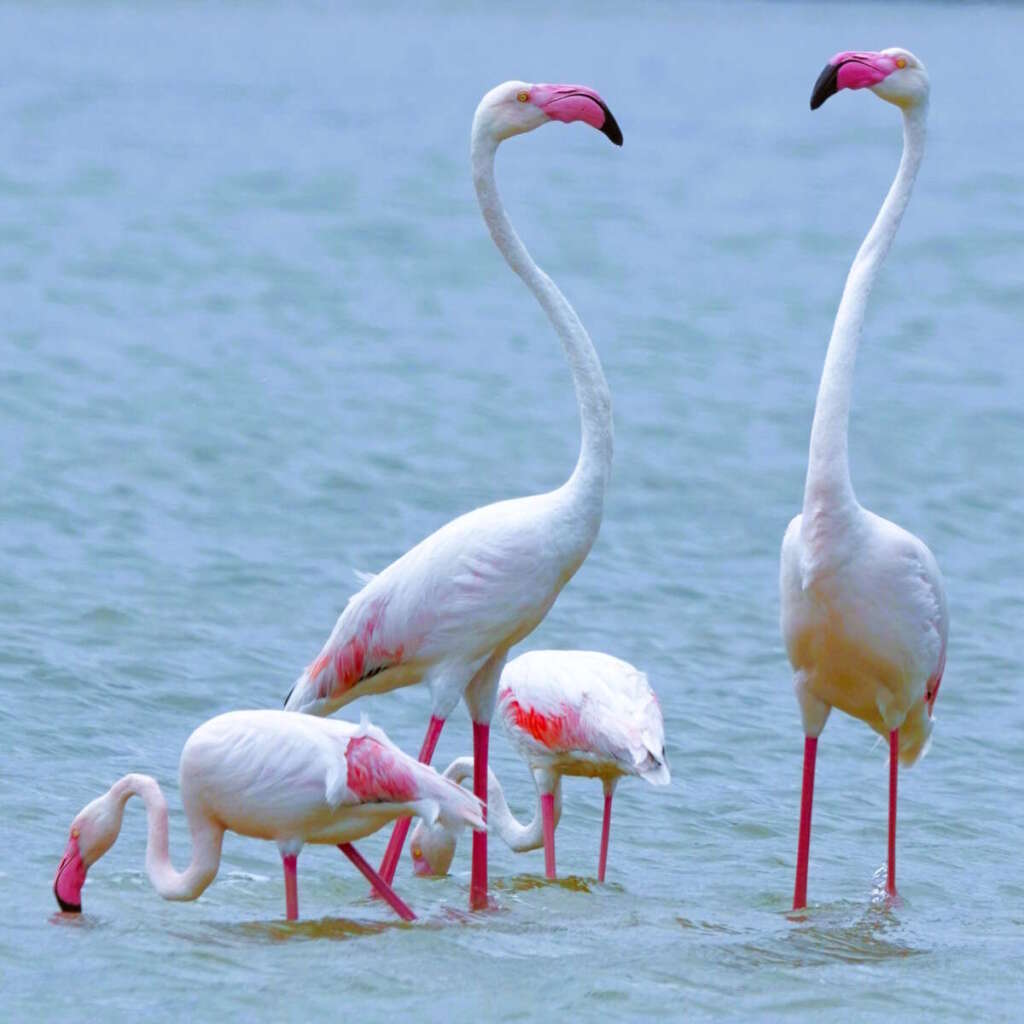
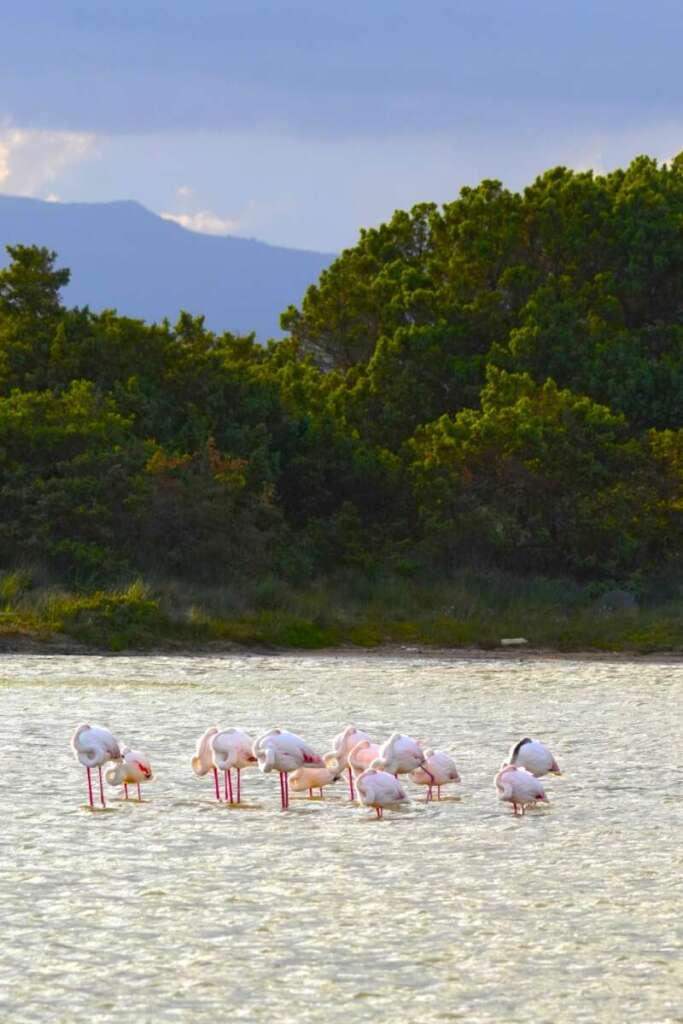
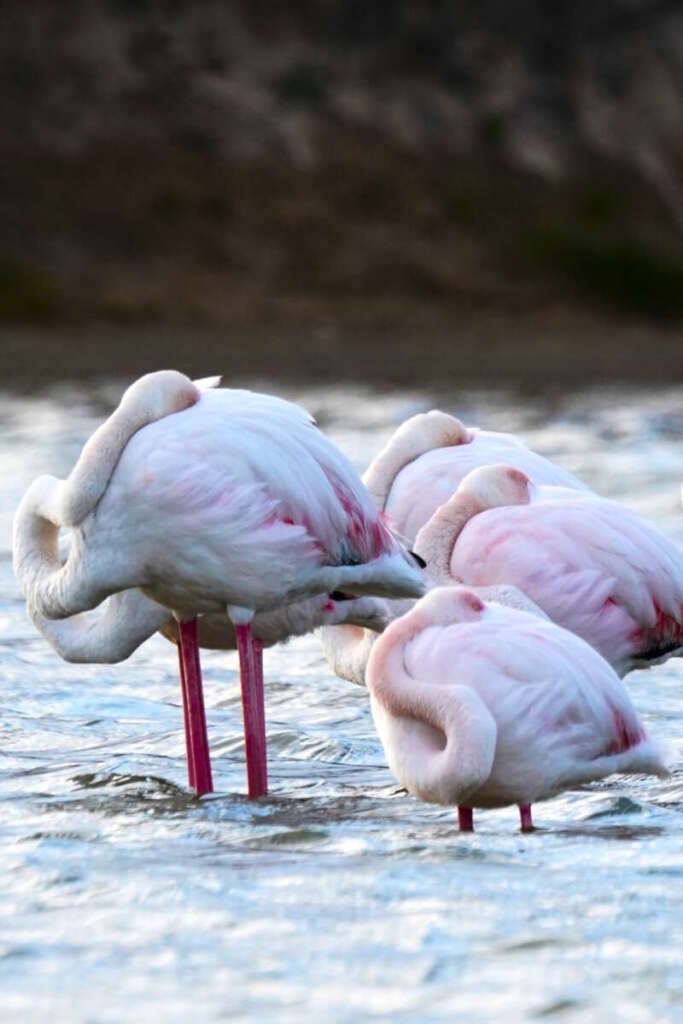
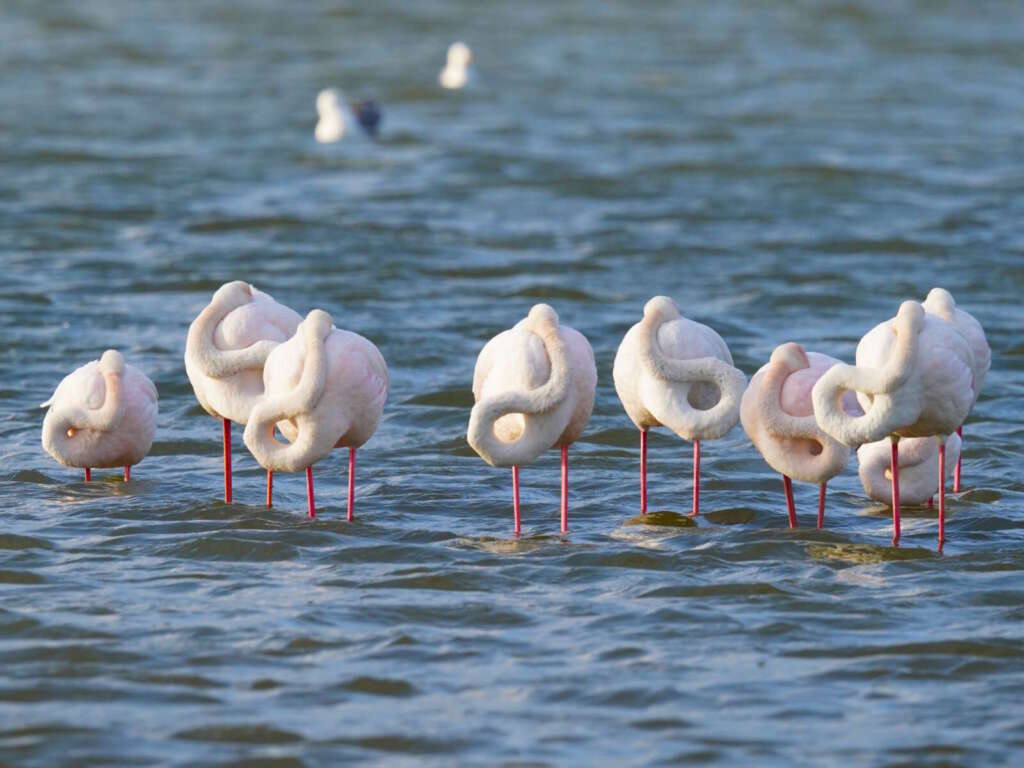
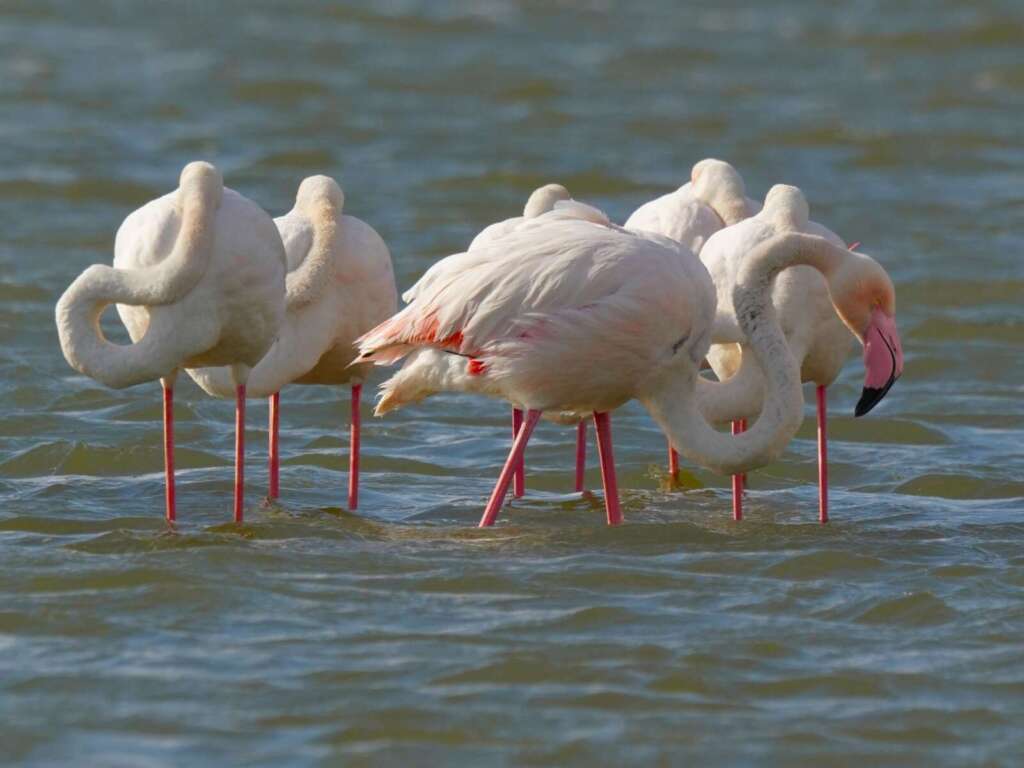
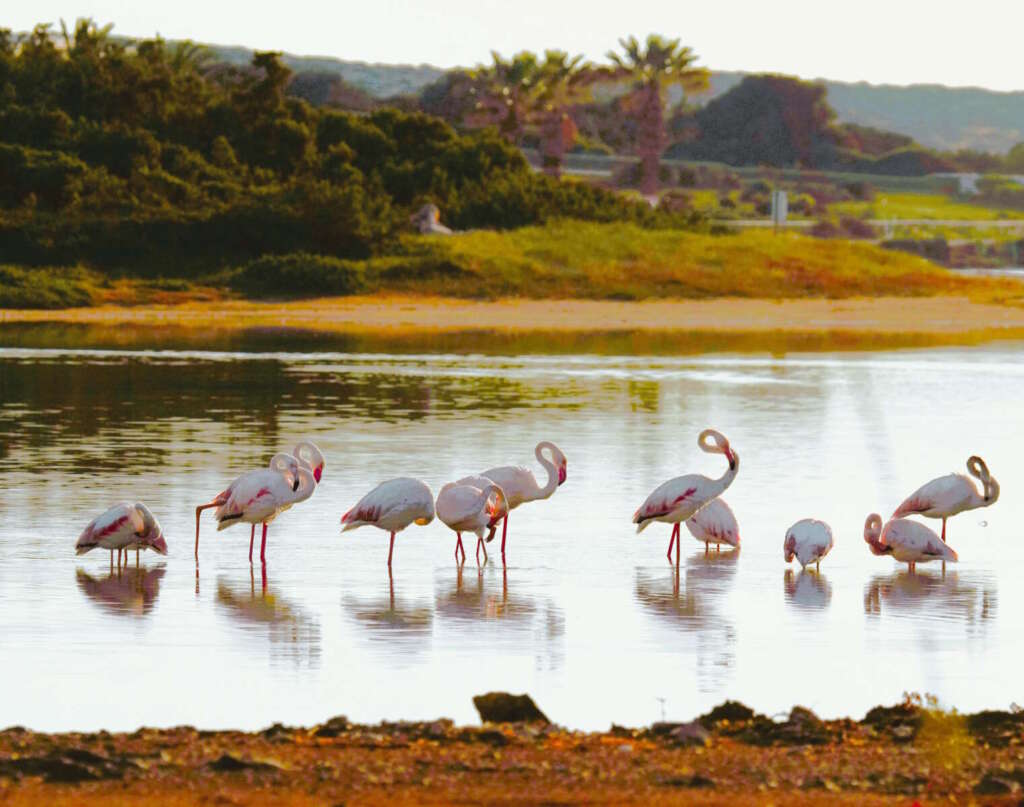
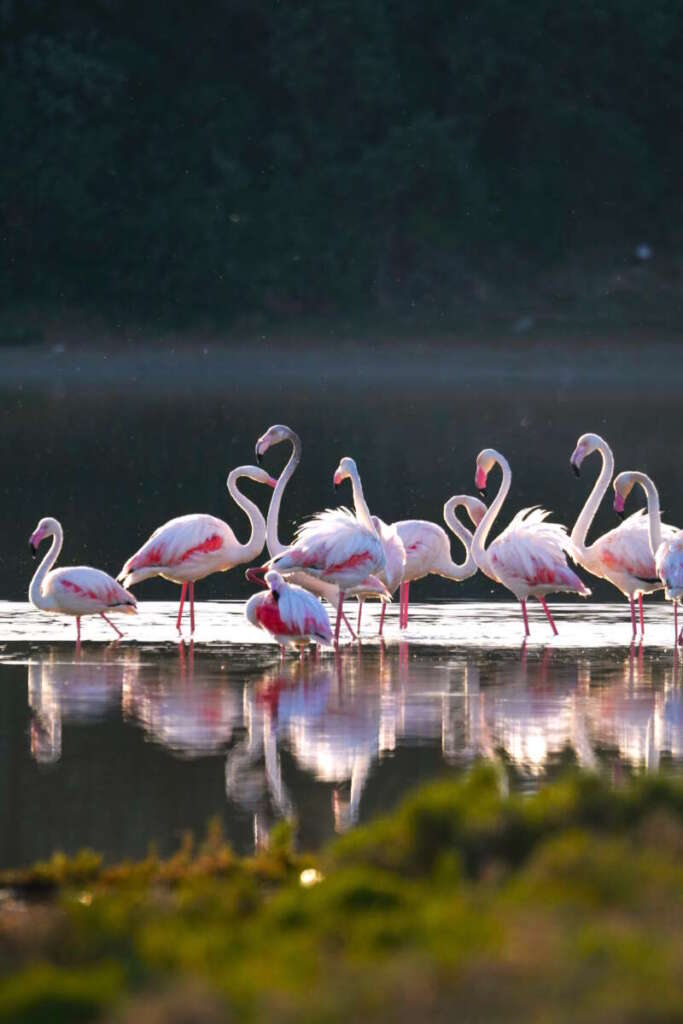
Thank you to Kedryades, Naïas, the volunteers and the municipal employees — but the real game-changers were the flamingos themselves. Their arrival is what finally moved things forward after decades of stalemate, with the beach club pumping the pond dry every spring to create parking, year after year, for as long as most of us can remember. It took 21 birds to achieve what years of argument could not. One hopes the wider lesson reaches every business on the island: protection has to come before (destructive) convenience. Pumping is simply the easy way — there are always other ways to handle parking. Old habits die hard, though, which is exactly why the monitoring the Town Hall has promised will be essential.