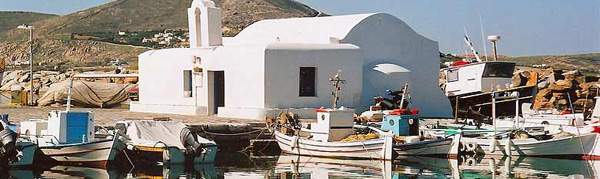
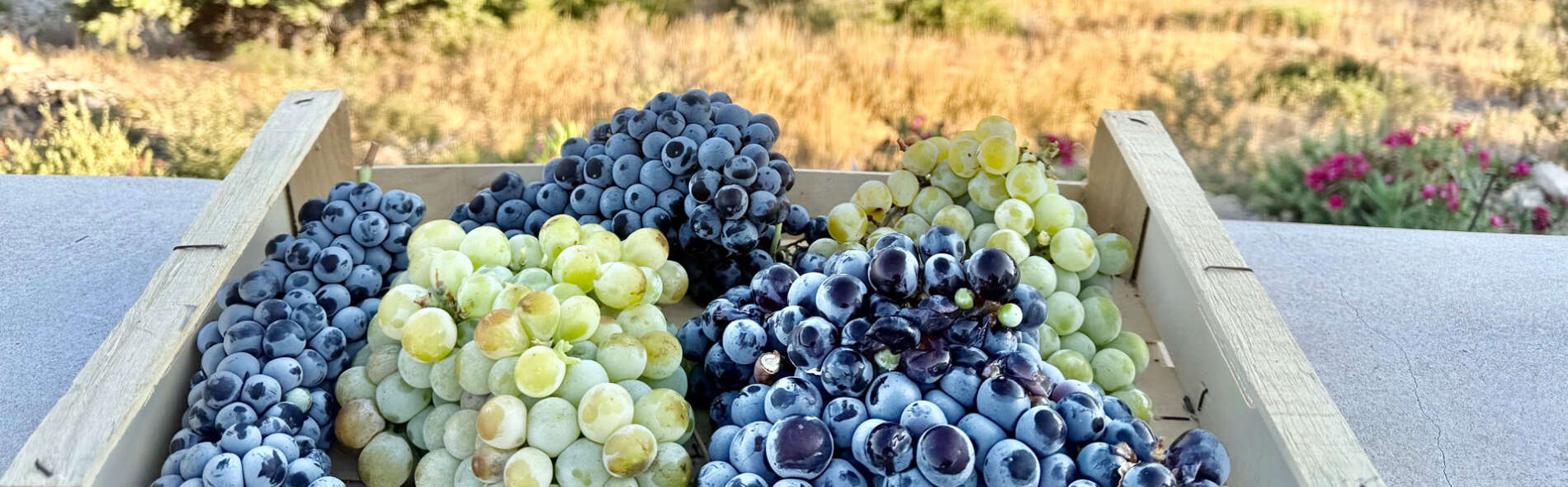
When we consider the Parian vineyard, we should not only think of a landscape that produces wine but also view it as an entire ecosystem. This includes the natural environment and landscapes of Paros, its viticultural riches and varieties, diligent and wise winegrowers, pruners, grafters, key winemakers, and a range of exceptional products such as grapes, raisins, must, wine, souma, vinegar, and natural fertilisers. Furthermore, it involves the people and techniques involved in creating these products, as well as a series of tasks performed by women that transform these products into flavours—moustalevria, mustokouloura, petimezi, spoon sweets, vine leaf dolmades, and others.
Let’s explore it further by examining more aspects. We can gather information about the era a century ago when wine was almost a monoculture in Paros, covering more than 20,000 acres of land, and was closely linked to the life and survival of most Parian people. The history of the Parian vineyard and its wines, which flooded the markets, has seen periods of growth and recession, prosperity and decline. Despite gloomy predictions for Paros’s primary sector, there are faint signs of optimism that we must recognise and seize.
When James Bent, a British traveller, visited Parikia in 1885 and discovered a church dedicated to Saint George the Drunkard, he concluded—and recorded in his notes—that Christianity, at least in this instance, had reconciled with Dionysus, the god of wine, revelry, and theatre. For forty centuries, vines and wine have been a vital part of the historical and cultural heritage of the Aegean. In his epics, Homer describes many regions of the Aegean with adjectives that reflect a tradition of winemaking. The lyric poet of Paros praises his island’s wine, referring to it as ‘paulos’. In ancient Greece, the concept of wine provenance was first introduced (Chios Wine, Lesbos Wine, Thasos Wine, Paros Wine). Shipwrecks found in the Mediterranean and Black Seas have yielded amphorae that confirm the extensive trade in wines from Paros.
Vine cultivation during the Byzantine period continued in the Aegean islands, including Paros, and the renowned Malvasia wine, comparable to Madeira, produced in the Cyclades-Crete-Monemvasia triangle, became highly prized across Europe. In the Cyclades, Paros appears to have been the principal contributor, particularly with the Monemvasia variety.
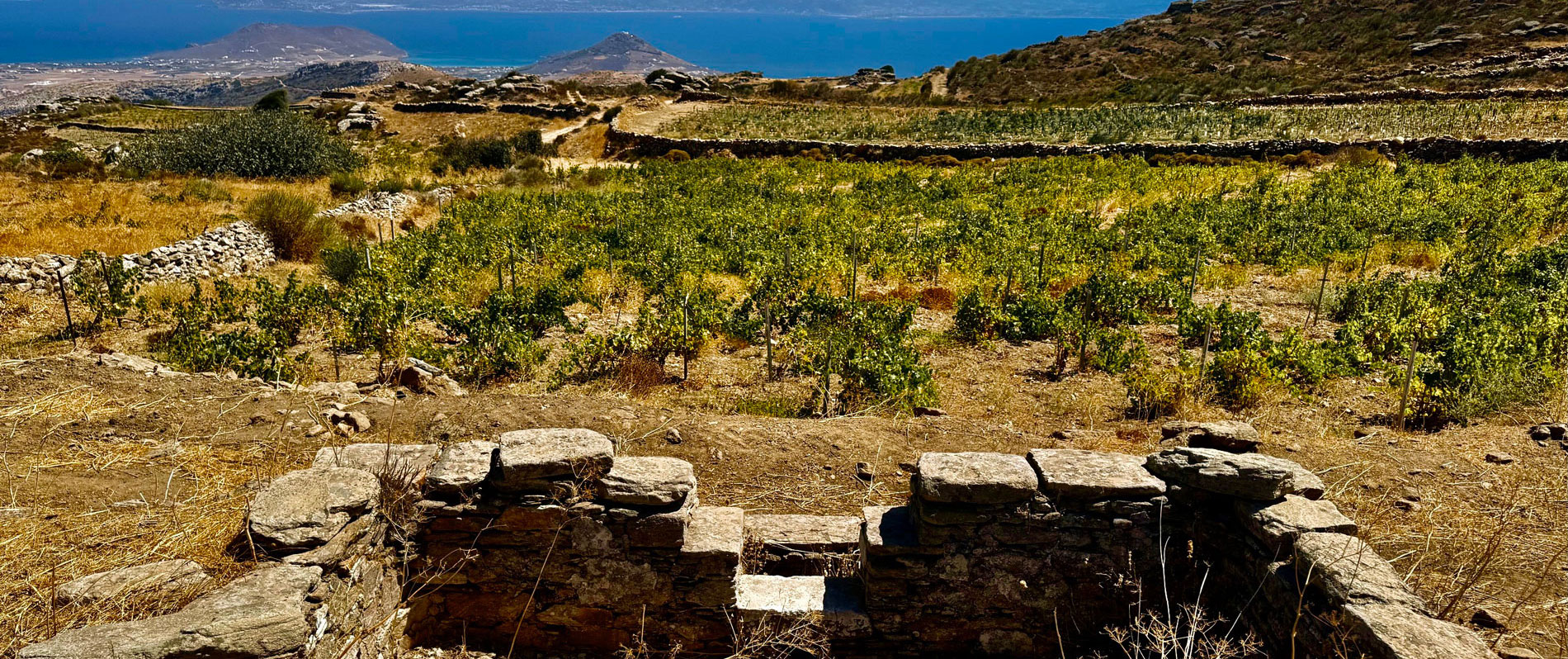
During the Ottoman Empire, viticulture was neither restricted nor prohibited, as one might expect given the Muslim religion, because the Ottomans saw viticulture as a significant source of tax revenue. Monasteries owned large vineyards, producing their own wines and sweets for communion, for the nourishment of the monks, but also for trade. They stored them in large cellars, using huge barrels weighing up to a tonne.
When phylloxera struck France at the end of the 19th century, Westerners sought wine from the Cyclades for their blends. Paros responded, and so at the beginning of the 20th century, shortly before 1930, Paros was producing around 3,000 tonnes of wine, mostly red, rich in colour and alcohol, with crops covering around 20,000 acres. Most of it was sent to the rest of Greece and to markets in France and Germany, at prices similar to those of Santorini wine.
In 1950, there were five large private wineries on the island: Alipranti in Parikia and Alyki, Aiginitis in the current OTE Parikia building, the company Oinon kai Oinopneumaton Votrys of Bodosakis, Kaparis next to Ekatontapyliani, Thodoris Moraitis in Naoussa, Kontaratou in Lefkes, while smaller wineries existed in Punta, Voutako, Dryo, and Antiparos. All of them produce wine, which is sent to domestic wineries, but a large part of it is exported as an improver for wines produced from the vinification of raisins.
In 1953, the vinification of raisins was banned, dramatically reducing the demand for Parian wines, which led to the closure of the wineries of Paros.
In 1956, the Union of Agricultural Cooperatives intervened decisively with the first privately owned winery, providing a solution to the impasse faced by Parian winegrowers. It collected the island’s grapes, vinified them and, until the early 1970s, sent them in bulk either as sweet wine for the production of liqueurs, or as dry wine for blending – mainly for its body and colour – to other wines in Athenian wineries and abroad.
It was only when tourism developed in Paros in the early 1970s that the production of bottled local wines for the island’s needs was attempted. The cooperative was the first to start, but the first successful wine was produced in 1976 by the Moraitis winery under the name Kavarnis, with Giorgos Moraitis as oenologist.
In 1981, 12,000 acres of vineyards were cultivated on the island, and Paros was promoted to a wine-growing location with Protected Designation of Origin (PDO) wines for wines produced from the Monemvasia and Mandilaria varieties. The study was conducted for Paros by oenologist Antonis Popolanos and Stavroula Kourakou. Since then, local winemaking has begun to develop, combining the best traditions with modern oenological practices.
At the beginning of the21stcentury, there were two large wineries in Paros, Moraitis in Naoussa and the Paros Agricultural Cooperative in Parikia, which, however, ran into difficulties with the banks that had financed it, resulting in a new law allowing private individuals to acquire up to 35% of the capital and take over its development.
The vineyards of Paros traditionally occupied the poor semi-mountainous soils, which were shaped into terraces that define the landscape of the island. The vines were trained almost without trunks and the shoots spread out on the ground (aplotaries) to protect them from the meltemi winds. In addition to the aplotaries, there are also many plants shaped into cups (bushes), but in recent years, vineyards and linear shapes have been developed. The vine growers mainly cultivated the red Mandilaria variety in their vineyards and, to a lesser extent, varieties such as Vafra, Mavro Aidani, Mavrathiri, Mavrotragano and, from the white varieties, Monemvasia, Assyrtiko and Savvatiano, as well as the lesser-known Kakomavro, Asprouda, Papatsouda, Potamisia and Tryfera. The Parian winegrowers used to have mixed varieties on their estates and make blended wines from them.
The island’s vineyards are cultivated on calcium-rich soils, mainly sandy and sandy loam, which were formerly located on the slopes of Mount Profitis Ilias, above Lefkes, with the best vineyards located in the Stavros area.
Today (2024), the vineyard in Paros covers approximately 1,400 acres, planted mainly with the white Monemvasia variety and the red Mandilaria.
These two varieties are blended to create the red PDO Paros wine (the presence of the white Monemvasia variety adds aroma, but mainly softens the harshness of the Mandilaria variety).
When cultivated correctly, Monemvasia produces high-quality wines with characteristic aromas that produce the white PDO Paros wine.
Since 2011, PDO Malvasia Paros PDO has been added, which is a sweet white wine produced from sun-dried Monemvasia grapes with a high sugar content of at least 85% and must be aged for at least 24 months in oak barrels. Over the last 20 years, the wineries of Paros have planted new popular Greek varieties such as Assyrtiko and Malagouzia, which are in high demand and thrive in the soil of Paros.
Until the 1980s, vineyards were the most important crop on Paros. After the vineyard, the lowlands were cultivated with wheat and barley for the needs of the brewery in Athens, as well as animal feed that supplied the entire Cyclades and livestock farming.
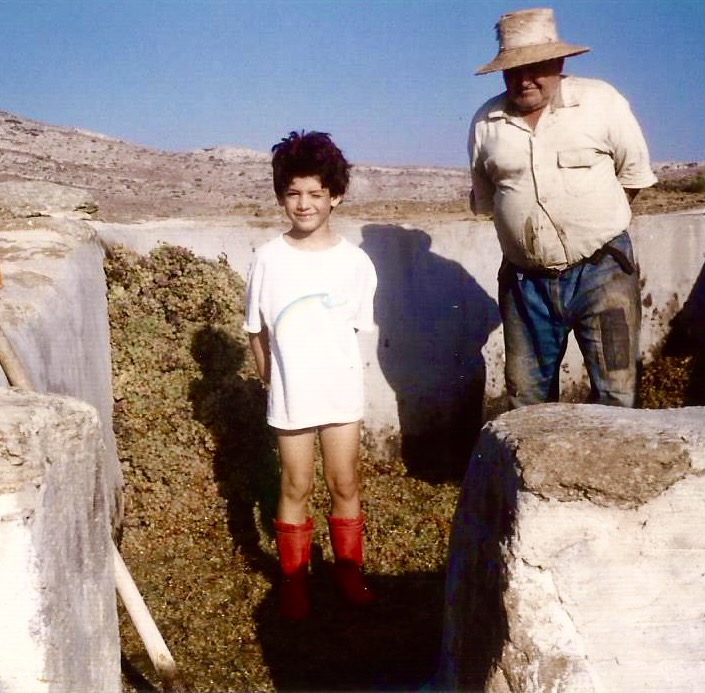
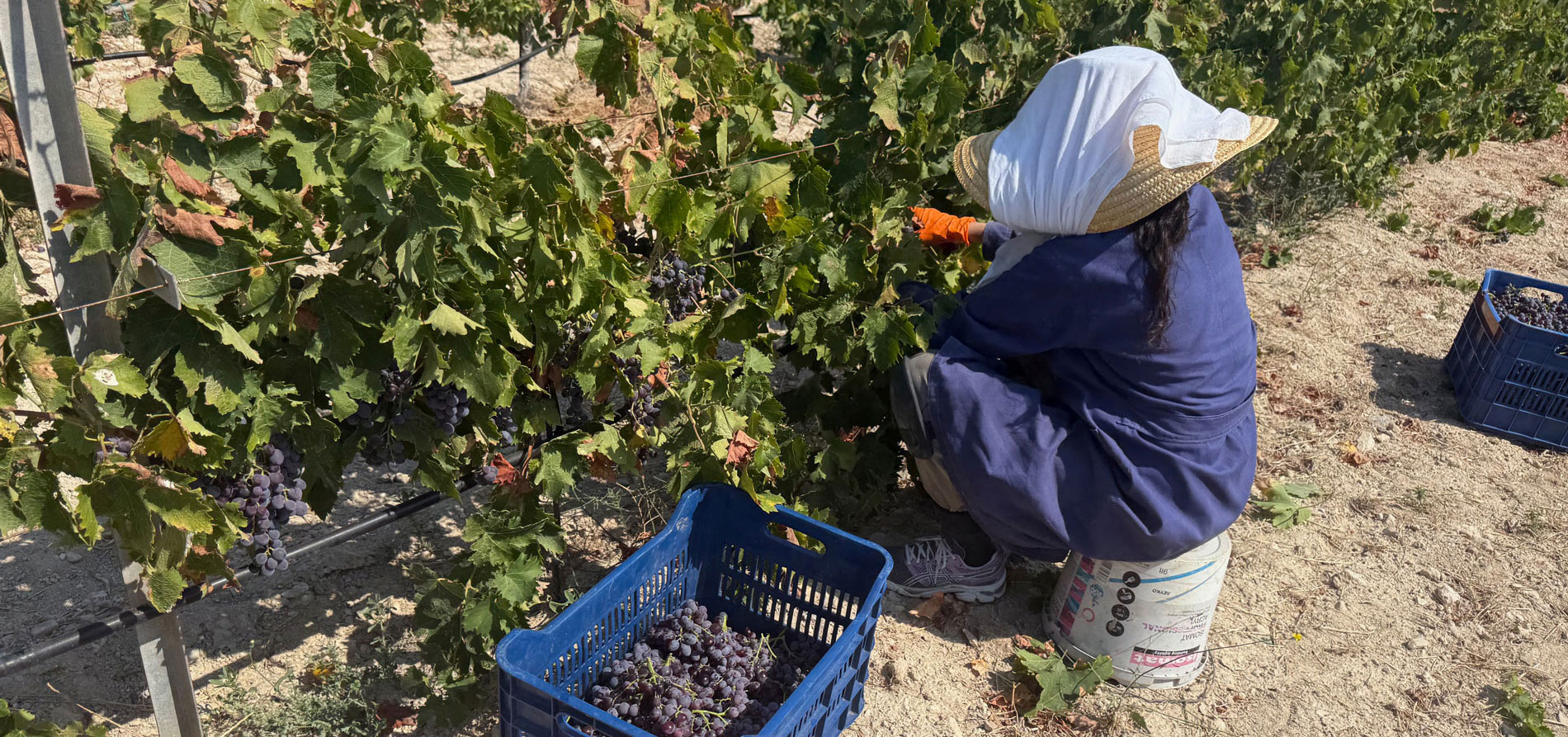
In the middle of the century, all the mountainous and semi-mountainous areas—where you can still see the preserved or destroyed terraces—and quite a few lowland areas were covered with vineyards. Most of the rural population lived off the vineyard. Wine was not a drink that accompanied food, it was a basic nutritional food. In August, the people of Paros harvest and press their grapes. Regardless of the quantity they send to the wineries, there is no farmer who does not tread the grapes himself in his wine press to make his own wine, which will accompany him at meals and celebrations throughout the following year. And this will always be done with the appropriate ritual of the harvest, as a cycle of life and laborious work (pruning, weeding, digging, sulphurising, ploughing) has come to an end. The expression “Summer, Harvest, War” is nothing more than an expression of general mobilisation, because there is an urgent need to harvest quickly, and for this many hands are needed, the whole village was mobilised (young and old, men and women), which is why it is likened to war. The harvest was not only a great celebration but also began at dawn and continued until sunset. The grapes were collected in baskets by the immediate and extended family and other neighbours.
Tourism is not a problem for any place, but the key to development, because if we strategically link it to other sectors, such as agri-food, gastronomy, culture, sports, wellness, and value-based tourism, then it can have a positive effect. Instead of underestimating it, we must use it as a basis for building other dynamic sectors and achieving balanced development with a focus on locality and quality.
The Parian vineyard is threatened by tourism, climate change, construction development and the conversion of vineyards into building plots, the abandonment of vines because they do not yield significant returns, and the lack of labour, factors that are leading to its decline year after year.
On the other hand, there are currently five wineries open to visitors in Paros, with the Moraitis Winery producing the largest volume of wine. Next comes the winery of the Paros Agricultural Cooperative, now renamed “Paros Farming Community”, followed by Giorgos Moraitis’ “Moraitico”, the “Roussos Estate” and “Myrsini Winery”. while for the first time, significant Greek winemakers such as Stelios Boutaris, who recently produced wines on the island, and especially the well-known winemaker from Drama, Kostas Lazaridis, who is buying abandoned estates in Stavros tou Lefkou and planting new vines. We note that while wine production has decreased from 12,000 acres in 1980 to 1,400 acres in 2024, there has been a shift from bulk wine to higher quality bottled wines with high added value.
The existence of 6-7 wineries breaks the monopoly that existed in the market, with the price of grapes more than doubling in the last 5 years, while the existence of more than 30 labels of Parian wines consumed on the island proves the large supply of quality wines and the corresponding demand for them.
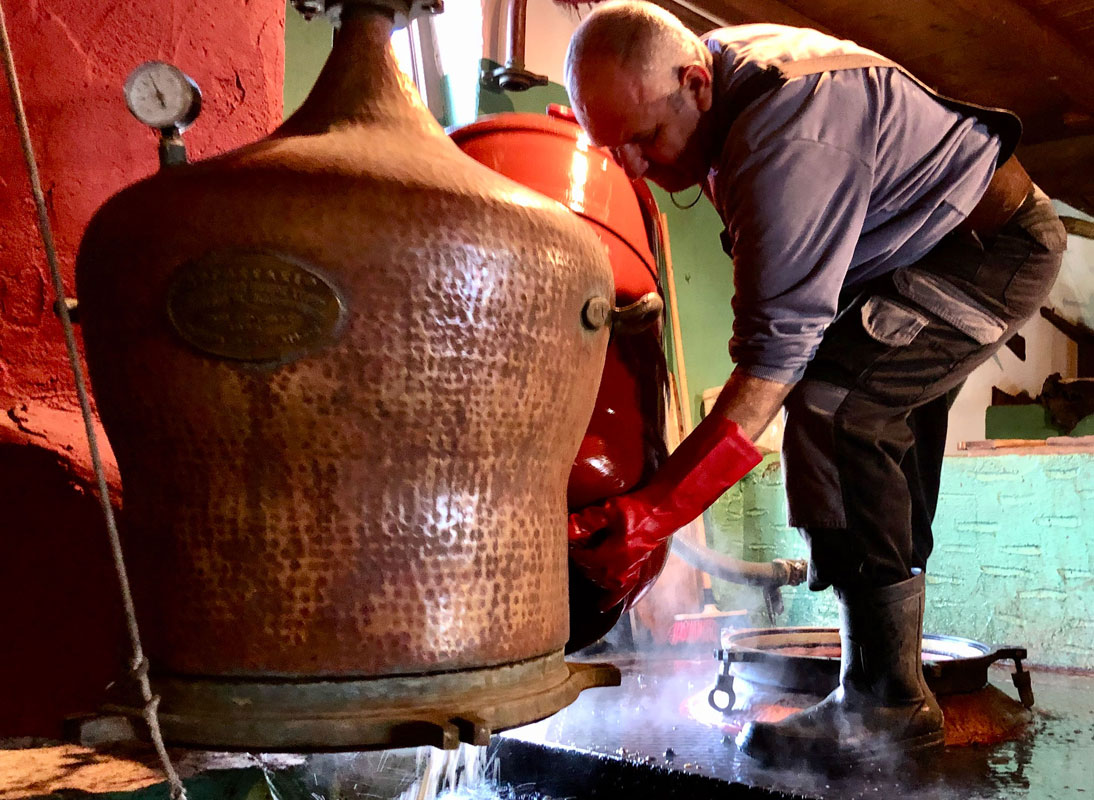
At this moment, the Parian vineyard, the Parian winegrowers and the Parian wines, viticulture, need the support and recognition of the local community as one of the most important comparative advantages of Paros. Thanks to its rich variety, the Parian vineyard can offer visitors to the island diversity, recognition and, of course, unique gastronomic experiences such as wine tastings at visiting wineries and participation in the autumn kazanias, where Parian souma is produced in a festive manner, without overlooking its decisive contribution to the preservation of the Parian wine-growing landscape and wine-growing culture. In short, under certain conditions – and we must work systematically and in a coordinated manner to create them – the vineyards of Paros can become the protagonists in promoting the quality identity of Paros.
Leave a Reply